
Anthony Bourdain and the Discipline of Showing Up Hungry
New here? Get the next one.
One email, no schedule.
From Anthony Bourdain — Parts Unknown and interviews, 2000s–2010s
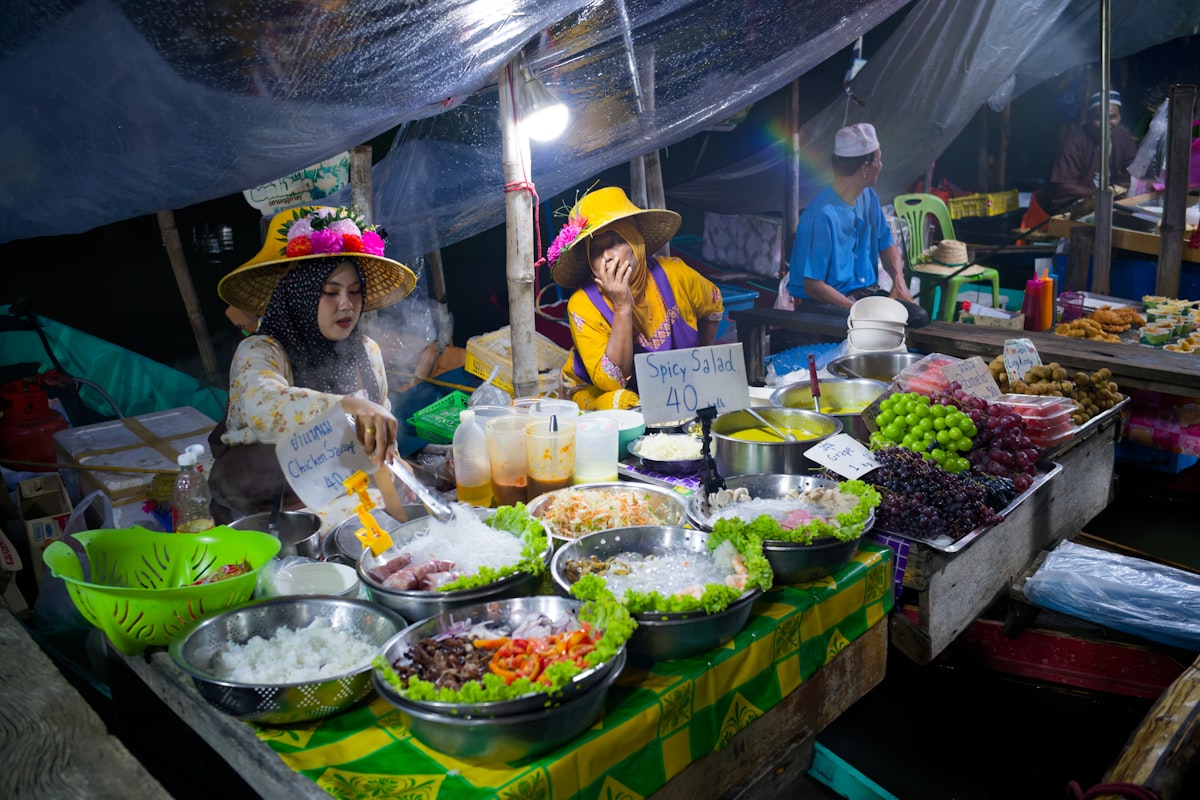
Anthony Bourdain made a career out of sitting on plastic stools in places most travel shows wouldn’t bother filming, eating whatever was put in front of him, and asking people about their lives like he actually wanted to know the answer. He wasn’t the most adventurous eater on television, and he wasn’t trying to be. His actual skill was rarer: he showed up without the certainty that he already understood the place he was standing in.
He talked often about arriving places without a fixed plan and letting the place itself fill in the picture rather than showing up with conclusions already formed. That’s not a travel philosophy so much as an admission — most people arrive everywhere, including new conversations and unfamiliar situations, already half-furnished with conclusions. Bourdain’s method was to arrive empty and let the place fill him in.
This sounds easy and isn’t. Genuine not-knowing is uncomfortable. It’s much more natural to walk into a new culture, a new job, a new relationship, with a working theory already installed — pattern-matched from somewhere else, applied before the actual evidence has come in. The theory feels like competence. Usually it’s just impatience wearing competence’s clothes.
Curiosity that’s actually curious requires tolerating the gap between not knowing yet and wanting to already know. Most people close that gap by guessing instead of asking.
Bourdain’s interviews worked because he let people finish answering before he decided what they meant. He’d sit with an answer that didn’t fit his expectations rather than smoothing it into something familiar. The discipline wasn’t exotic — it was just refusing to let his prior assumptions finish other people’s sentences for them.
If this was useful, the next one will be too.
One short essay when it’s ready. No schedule, no spam, no tracking.