
Alex Honnold and the Fear That Didn't Show Up
New here? Get the next one.
One email, no schedule.
From Free Solo, directed by Jimmy Chin and Elizabeth Chai Vasarhelyi, 2018
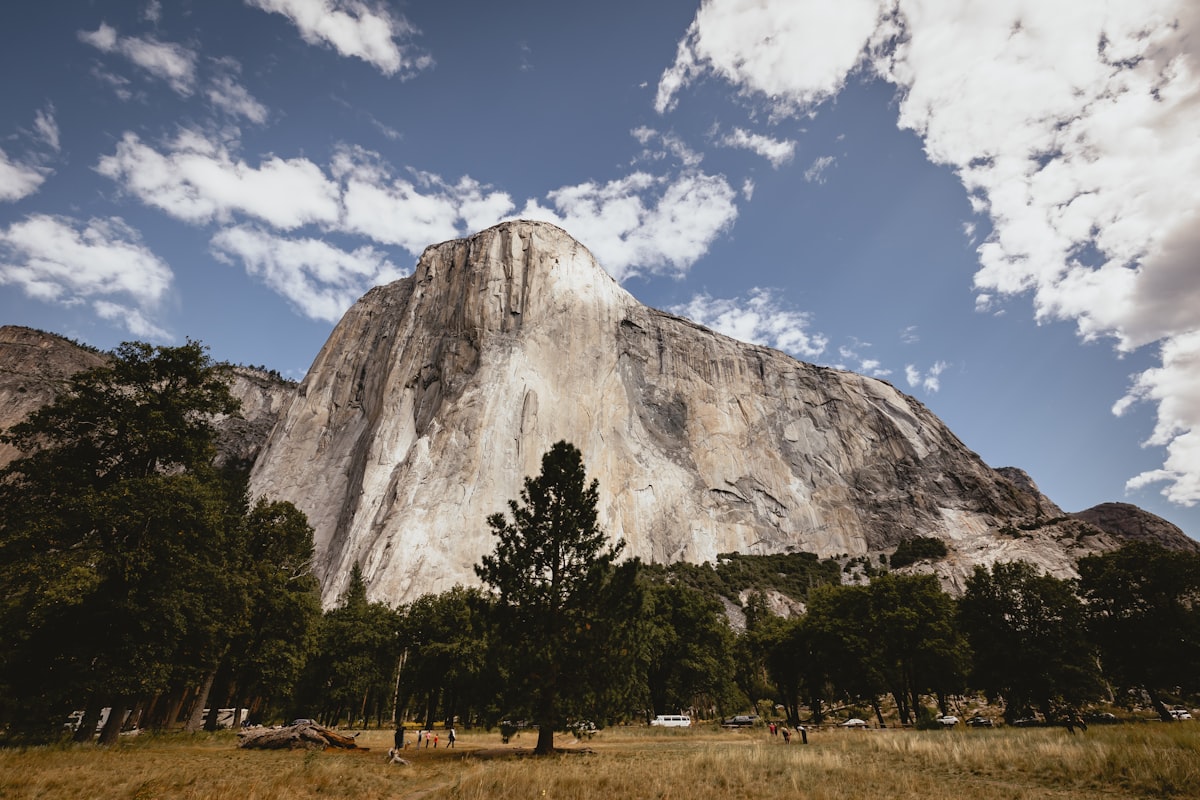
On June 3, 2017, Alex Honnold climbed El Capitan — nearly 3,000 feet of vertical granite in Yosemite — alone, with no rope, no harness, and no safety equipment of any kind. One mistake, anywhere on the route, ends the same way. He’d already been planning and rehearsing it for years.
Before the climb, researchers put him in an MRI and showed him frightening images to see how his amygdala — the brain’s alarm system — would respond. His barely lit up. The popular version of this story became “his brain just doesn’t register fear like ours does,” which is a satisfying thing to believe because it lets the rest of us off the hook. We’re not built for this. He is. Nothing to learn here, move along.
What actually got him to El Capitan wasn’t a different amygdala. It was thousands of hours on that exact rock, in sections, with ropes, over years, until every hold and sequence was so deeply rehearsed that the climb stopped registering as a threat to his nervous system — because to his nervous system, by that point, it wasn’t one. He’d done it, technically, hundreds of times. The free solo was the last and smallest step in a process that had already eliminated almost everything that should have been frightening about it.
Fear isn’t a fixed trait you either have or don’t. It’s mostly a measure of how unprepared you are for the specific thing in front of you.
Most of what makes us anxious isn’t the size of the thing — it’s the gap between how much we’ve actually rehearsed it and how much we’re about to wing it. Honnold didn’t out-brave the mountain. He out-prepared the fear until there was nothing left for it to attach to.
This doesn’t make the rest of us free soloists. It does mean the next time something feels too frightening to attempt, the more useful question isn’t “am I brave enough.” It’s “how much of this have I actually practiced, and how much am I hoping to wing.”
If this was useful, the next one will be too.
One short essay when it’s ready. No schedule, no spam, no tracking.