
Stephen "Jet" LaMantia: The Grill, the Goggles, and the List I Put Myself On
New here? Get the next one.
One email, no schedule.
One parents’ weekend at the fraternity house, we were all out back for a barbecue, and Steve was running the show in front of our busted-ass grill. There he was in a pair of oversized black-and-yellow swim goggles to keep the smoke out of his eyes, working it anyway — joking, laughing, flipping burgers and dogs. That’s the picture that’s stayed with me all these years later. Just a guy in swim goggles, engulfed in a cloud of smoke, laughing and doing his best to make food to order despite that dilapidated grill.
His name was Steve LaMantia, though most of us called him Jet — affable and gregarious, with an infectious laugh, never angry. He always had time for people. He was one of the guys who made an awkward freshman feel welcome enough to pledge Sigma Chi. His girlfriend, Kim, was our chapter’s Sweetheart the year I pledged and would later become his wife — a great couple. Every chapter meeting we had a call and response: “I seek true friendship,” I’d say, and Steve’s answer, every time, was always “You’ll find it here.” It wasn’t just a ritual — it was how we really felt. I wasn’t in his inner circle — lacrosse team, closer house friends — and after graduation, before Facebook made losing touch optional, I never saw him again. He made an impression on me from the first day, the kind I think he made on a lot of people.
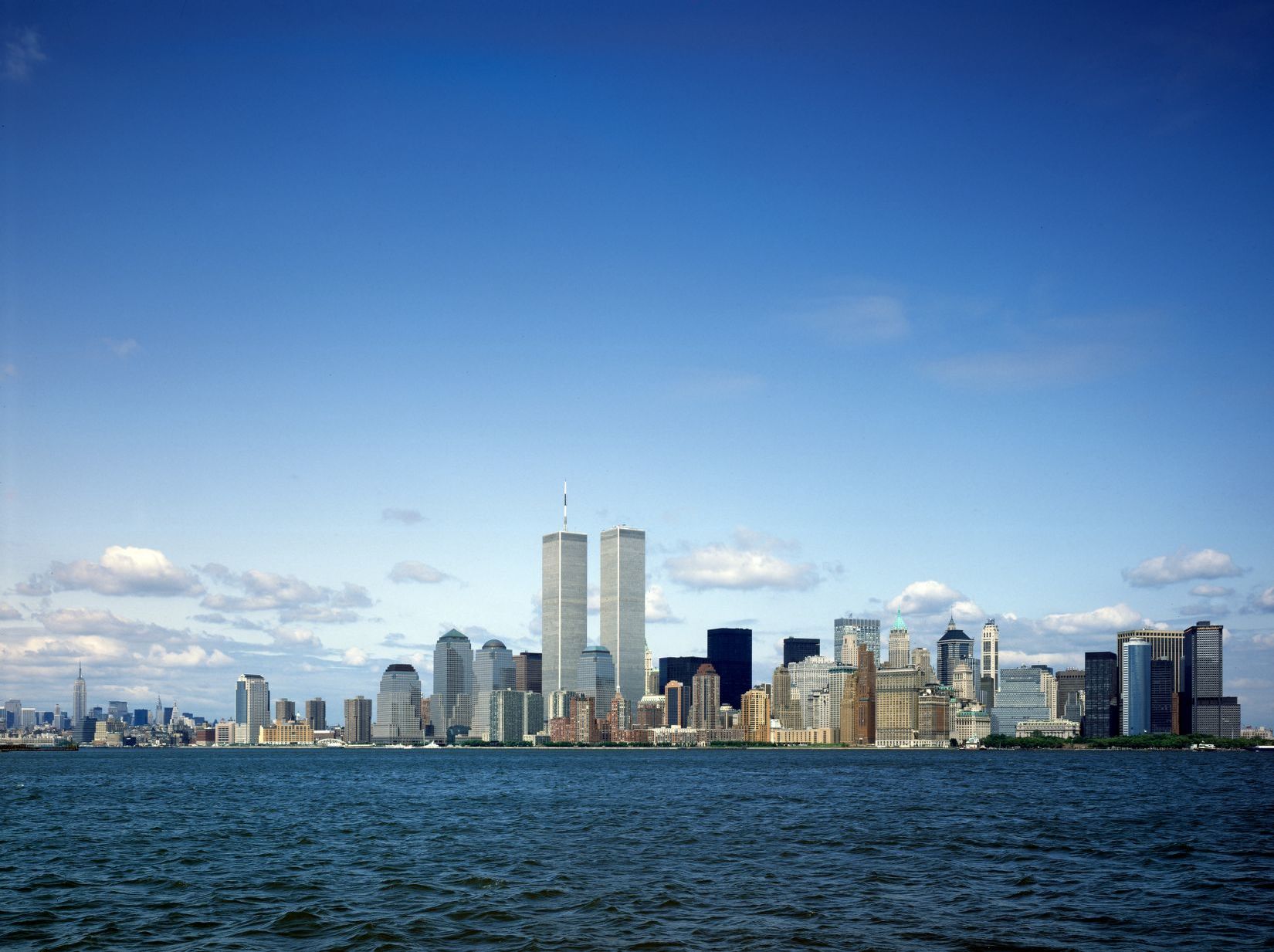
I was at my desk on an ordinary Tuesday — Director of Network Implementation at a fast-growing internet company outside D.C., having the most fun I’d ever had at a job — when someone said a commuter plane had flown into the World Trade Center. By the time I got back to my desk, the story had changed: a second plane, and my first thought was that we were under attack. I stepped outside for a cigarette when someone said a plane had hit the Pentagon, a few miles away. Whatever was left of “coincidence” evaporated — the country was under attack. I told my staff it was serious and might not be over, sent them home, and went home myself. I don’t remember the drive. I remember watching it on television with my family, in disbelief — people falling from those two massive structures, the towers that were the iconic image of New York City, then both of them collapsing into dust, people who looked like ghosts, covered in ash, running for their lives. This couldn’t be happening.
I wishfully assumed everyone I knew was fine. Days later, a group email told me otherwise: Steve had been working at Cantor Fitzgerald, on the 105th floor of the North Tower, and hadn’t made it out. I’ve never let myself think about what that morning was like for him. I just knew he was gone, and I was heartbroken. Normally we had planes flying over my house all day, on approach to Dulles. Once the whole country’s air traffic was grounded, the sky stayed eerily quiet for weeks. That silence is the sound 9/11 still holds for me.
Work tried to get back to normal, but for me something had really shifted — the things that had made the job fun were gone. Then the dot-com bubble burst for real, and our parent company started cutting staff, round after round. As a director, deciding who stayed became my job. To the executive suite, they were digits in an expense column. To me they were people I’d put in eighty-hour weeks with, laughed with, figured out problems with, and built a great start-up with.
The fork in the road came on an ordinary trip to see my VP in Princeton, when he asked me to find another round of cuts. Without really thinking about it, I looked at him and put my own name on top of the next list. I don’t know if I expected him to flinch. He didn’t. That’s when I knew I was done. I don’t remember the drive home — just thinking, Fuck them.
The intelligence community was hiring hard that year, and it happened to be my father’s world too — the one I’d sworn I’d never enter. I applied anyway, with no real plan. Sworn in almost a year later, at half my old salary, it didn’t matter. I trained that fall, deployed overseas by summer, and by winter was on a small base in the ass crack of the world, in what was then considered the most dangerous place in the world. I went with the flow after that, for twenty years.
To be sure, it was not always roses and sunshine. Bureaucracy is a rough landing after working as a small, nimble team making things happen on a non-existent budget, and there were stretches I questioned the whole trade — birthdays, holidays, a chunk of my son’s teenage years I still carry some guilt about. But when I remembered why I’d done it, none of that outweighed the choice: a meaningful mission, great people, interesting places, things most people will never know about. Everything else was small potatoes. In the hard stretches, I thought about Steve.
If 9/11 hadn’t happened, I’d never have gone into government service. Do I wish Steve were still here? Of course. Do I wish that day had never happened? Of course. But changing any piece of my past would leave me in an unrecognizable present, and I’m content with where I am now. My life is pretty fucking good. I wouldn’t change it. I’d do it all again.
Every September I get a little more thoughtful about Jet — his laugh, his larger-than-life way of taking up a room without trying, welcoming me into the house on Bids Day, leading quietly instead of loudly. If he could see the life I built from the door he helped open, I think he’d laugh, shake his head, and call me a dumbass.
He was an unassuming guy who loved his family, and the world could use a lot more people like him. His brothers still feel the loss of him, and we still laugh telling the same stories. He was a rare one.
I don’t know for certain that losing him is what put me on the road to what I now call Living Bodhi — grasping every ounce of joy available in the time I’ve got. Maybe that’s just life teaching you slowly that the clock is real. But Steve had a lot more living left in him, and didn’t get the chance. I was fortunate to have that chance, and I’ve tried to do my best with it.
I still hear that call and response some Septembers: I seek true friendship. You’ll find it here. You only get a limited number of trips around the sun — figure out what it means to wake up and live well, then go do it, today, not someday. That’s the tribute. Not grief. Just living like Steve would’ve wanted everyone to.
In Hoc, my brother.
If this was useful, the next one will be too.
One short essay when it’s ready. No schedule, no spam, no tracking.